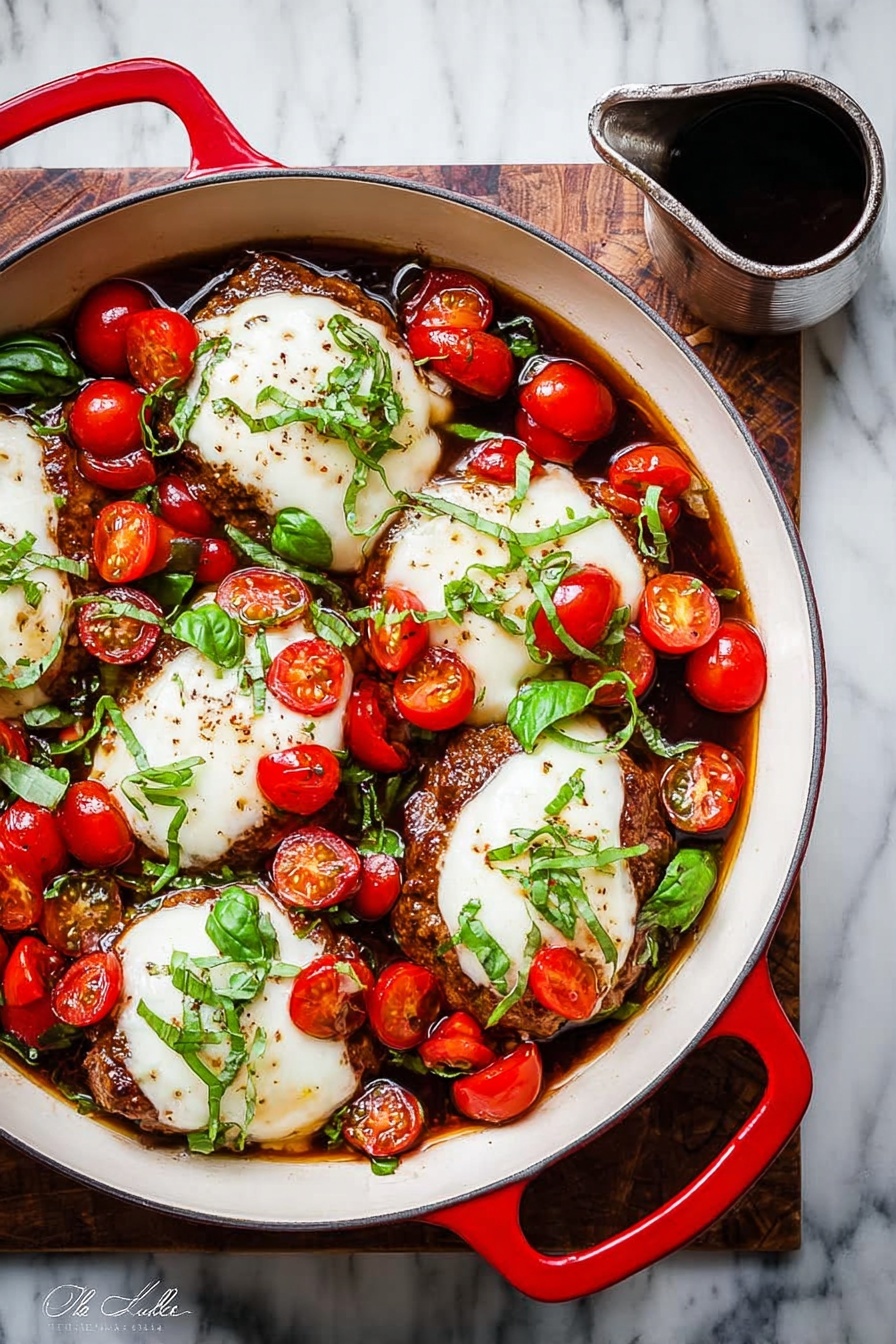
Effortless & Flavorful: Your Guide to Restaurant-Quality Caprese Chicken
Imagine the vibrant, fresh flavors of a classic Caprese salad, elevated into a warm, comforting, and utterly satisfying main course. That's precisely what you get with a truly exceptional **balsamic glazed caprese chicken recipe**. This dish isn't just another weeknight meal; it's a culinary experience that brings restaurant-quality taste directly to your table with surprisingly little effort. It beautifully marries succulent chicken with the iconic trio of ripe tomatoes, creamy mozzarella, and aromatic basil, all brought together by a rich, glossy balsamic reduction. While many Caprese chicken recipes exist, the secret to achieving that coveted "restaurant-worthy" status lies in a crucial detail: how the balsamic glaze is prepared. Instead of a last-minute drizzle, this method allows the glaze to slowly reduce and deepen in flavor alongside the chicken, creating an incredibly satisfying, clingy sauce that coats every bite. Get ready to transform simple ingredients into an unforgettable meal that will impress even the most discerning palates.What Makes This Balsamic Glazed Caprese Chicken Truly Special?
This particular **balsamic glazed caprese chicken recipe** stands out from the crowd for several key reasons, elevating it beyond a simple home-cooked meal to something truly gourmet.- The Slow-Cooked Balsamic Glaze: A Flavor Revelation. Unlike quick versions where balsamic vinegar is merely splashed on at the end, this approach bakes the chicken *in* the developing glaze. As the dish slowly bakes, the balsamic vinegar reduces into a thick, glossy, and intensely flavorful sauce that adheres beautifully to the chicken. This process deepens the sweetness and tang, creating a more cohesive and luxurious flavor profile that permeates the entire dish. It's a fundamental difference that you can truly taste, making for a richer, more satisfying finish. For an even deeper dive into this crucial step, read our guide on Master the Best Balsamic Caprese Chicken: Glaze Secrets.
- Natural Sweetness from Bursting Tomatoes. As the cherry or grape tomatoes roast in the oven, their skins gently burst, releasing their sweet, juicy essence directly into the developing sauce. This natural sweetness perfectly balances the acidity of the balsamic, creating a harmonious and complex flavor base that you simply can't achieve with raw tomatoes.
- Layers of Texture and Freshness. Every forkful offers a delightful interplay of textures and tastes. You get the crispy, juicy tenderness of perfectly baked chicken, the creamy indulgence of melted fresh mozzarella, and the bright, peppery finish of fresh basil. The glossy balsamic glaze acts as the unifying thread, tying all these magnificent components together into one exquisite dish. This combination makes it a far more satisfying and dynamic eating experience, truly a Caprese Reinvented: Baked Chicken with Rich Balsamic Glaze.
It's a testament to the fact that sometimes, the simplest methods, when executed with care and understanding of ingredient interaction, yield the biggest payoffs.
The Core Components: Ingredients That Shine
The beauty of this **balsamic glazed caprese chicken recipe** lies in its use of readily available ingredients, treated with respect to bring out their very best. Each component plays a vital role in crafting the dish's signature flavor and texture.- Chicken Thighs: The Foundation of Flavor. Opt for bone-in, skin-on chicken thighs. Their inherent fat content and structure keep them incredibly juicy and tender during the longer baking process, which is essential for the balsamic glaze to properly thicken and cling. The skin also crisps up beautifully, adding another layer of texture. While chicken breasts can be used, thighs are often preferred for their robustness and ability to withstand longer cooking times without drying out.
- Balsamic Vinegar: The Star of the Glaze. This ingredient is non-negotiable. As it reduces, balsamic vinegar transforms from a tangy liquid into a sweet, syrupy, and deeply complex glaze. It provides the dish with its signature sweet-tart acidity, which is crucial for balancing the richness of the chicken and cheese. Good quality balsamic makes a significant difference here.
- Fresh Mozzarella: Creamy Indulgence. Skip the pre-shredded stuff. Fresh mozzarella, whether in a ball or pearls (bocconcini), melts into a dreamy, creamy layer on top of the chicken. Its mild, milky flavor perfectly complements the robust glaze and offers a delightful contrast to the acidity.
- Cherry or Grape Tomatoes: Bursts of Sweetness. These small, sweet tomatoes are ideal for roasting. As they heat, they soften and burst, releasing their natural sugars and juices, which then meld into the balsamic sauce, enhancing its depth and providing pockets of bright flavor.
- Fresh Basil: The Aromatic Finish. Added at the very end, fresh basil provides that unmistakable Caprese aroma and a vibrant, peppery freshness that cuts through the richness of the dish. It's essential for completing the classic Caprese profile.
- Garlic & Seasonings: The Flavor Base. A simple mix of oregano, salt, and pepper, along with sautéed garlic, provides an aromatic foundation that beautifully supports all the other ingredients without overpowering them.
Crafting Your Own Restaurant-Quality Balsamic Glazed Caprese Chicken Recipe: A Step-by-Step Guide
Achieving this impressive dish is simpler than you might think, especially with this methodical approach. The key is in the timing and care given to each step.Step 1: Prepare Your Oven and Skillet
Preheat your oven to a robust 210°C (410°F). Choose an oven-safe skillet – ideally cast iron or a heavy-bottomed stainless steel pan – that can seamlessly transition from stovetop to oven. This minimizes cleanup and keeps all those delicious flavors in one place.
Step 2: Season the Chicken to Perfection
Pat your chicken thighs dry with paper towels; this helps create a crispier skin when seared. In a bowl, toss the chicken with a generous amount of dried oregano, basil, salt, and freshly ground black pepper. Ensure every piece is evenly coated for maximum flavor penetration.
Step 3: Sear for Sizzle and Color
Heat a tablespoon or two of olive oil in your skillet over medium-high heat until shimmering. Carefully place the seasoned chicken thighs, skin-side down, into the hot pan. Sear for 4-5 minutes per side, or until the skin is golden brown and crispy, and the chicken has developed a beautiful crust. This initial searing locks in juices and builds flavor. Once seared, transfer the chicken to a plate and set aside, draining any excess oil from the skillet if necessary, leaving just enough to sauté the garlic.
Step 4: Build the Signature Balsamic Glaze
Reduce the heat to medium. Add minced garlic to the skillet and sauté for about 30-60 seconds until fragrant, being careful not to burn it. Pour in the balsamic vinegar and add a touch of brown sugar (optional, but highly recommended for balancing the acidity). Bring the mixture to a gentle simmer, stirring occasionally. Let it cook for 3-5 minutes, allowing it to begin reducing and thickening into a glossy, fragrant sauce. You'll notice it start to coat the back of a spoon.
Step 5: Combine and Bake to Perfection
Return the seared chicken thighs to the skillet, nestling them into the simmering balsamic glaze. Turn each piece to ensure it's beautifully coated in the developing sauce. Scatter the cherry or grape tomatoes around the chicken in the pan. Transfer the skillet to the preheated oven and bake for 20-25 minutes, or until the chicken is cooked through (internal temperature of 75°C / 165°F) and the balsamic glaze has further thickened and reduced, clinging luxuriously to the chicken and tomatoes. The tomatoes will be beautifully softened and slightly burst.
After this initial bake, remove the skillet from the oven. Evenly distribute slices or pearls of fresh mozzarella over each chicken thigh and among the tomatoes. Return the skillet to the oven for another 5-10 minutes, or until the mozzarella is beautifully melted, bubbly, and slightly golden at the edges.
Step 6: Finish with Fresh Basil
Once removed from the oven, allow the dish to rest for a few minutes. Garnish generously with fresh basil leaves, either torn or roughly chopped. The residual heat will gently wilt the basil, releasing its delightful aroma. Serve immediately.
Pro Tips for Perfection
- Quality Matters: Using a good quality balsamic vinegar will significantly impact the depth and complexity of your glaze.
- Don't Overcrowd the Pan: When searing chicken, ensure there's enough space between pieces for even browning. Work in batches if necessary.
- Customize Your Sweetness: Adjust the amount of brown sugar in the glaze to your preference. Some prefer a tangier glaze, while others like it sweeter.
- Fresh Mozzarella is Key: While pre-shredded cheese might seem convenient, its anti-caking agents prevent it from melting as smoothly and creamily as fresh mozzarella.
- Rest the Chicken: Allowing the chicken to rest for a few minutes after baking helps the juices redistribute, ensuring every bite is moist and tender.
Elevate Your Plate: Serving Suggestions
This **balsamic glazed caprese chicken recipe** is a star on its own, but it truly shines when paired thoughtfully.- Crisp Salads: A refreshing contrast to the warm, cheesy chicken. A simple green salad with a vinaigrette works beautifully, or take inspiration from the context and try a Honey Dijon Apple Bacon Cranberry Salad for a delightful interplay of sweet and savory notes.
- Pasta or Grains: Serve over a bed of al dente pasta (like linguine or orzo), creamy polenta, or fluffy quinoa to soak up every last drop of that incredible balsamic glaze.
- Crusty Bread: A baguette or ciabatta is perfect for mopping up the rich, flavorful sauce.
- Roasted Vegetables: Complement the dish with roasted asparagus, green beans, or even some extra cherry tomatoes for a vegetable-rich meal.
