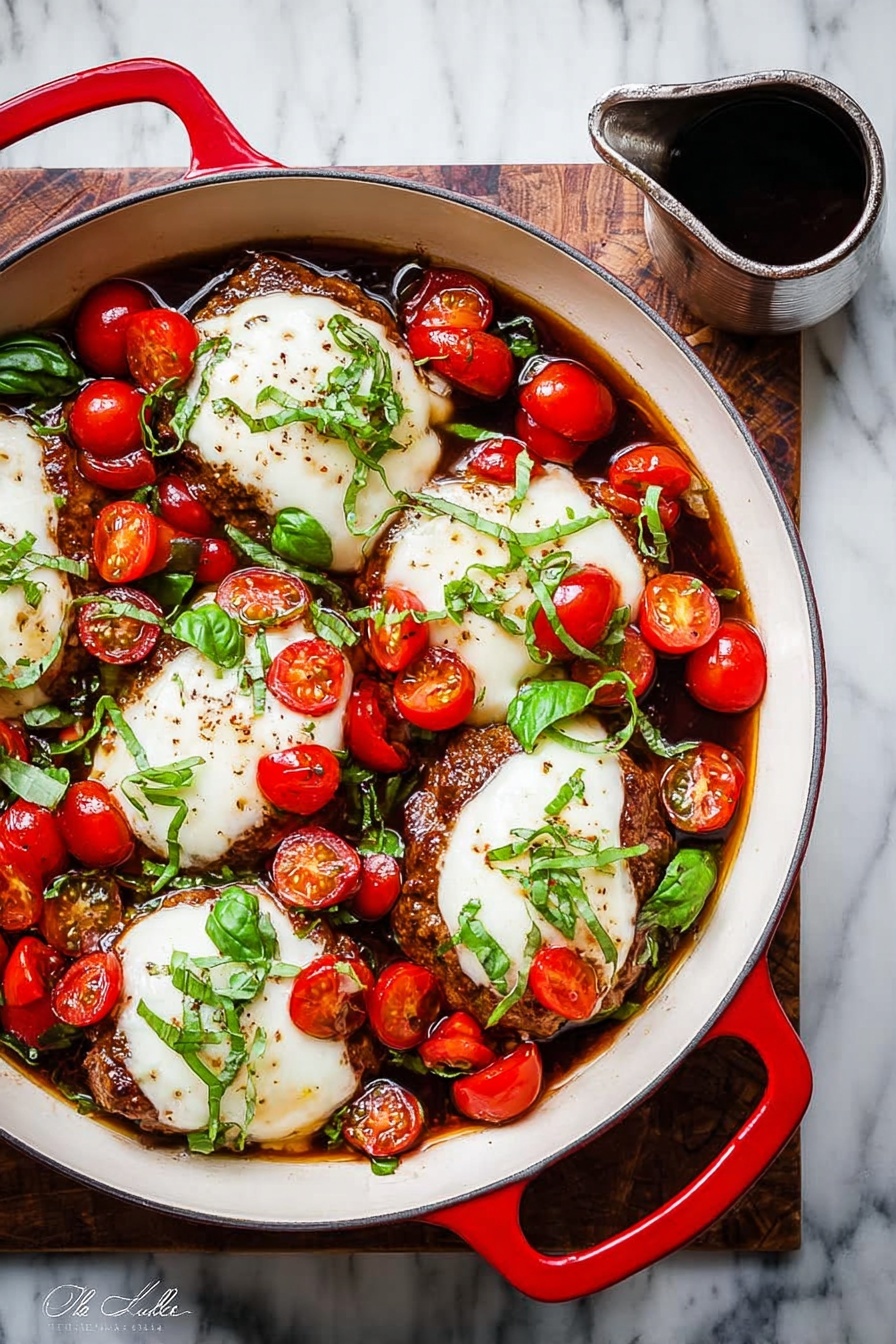
Master the Best Balsamic Caprese Chicken: Glaze Secrets Revealed
Imagine a dish that effortlessly marries the vibrant, fresh flavors of a classic Italian Caprese salad with the comforting heartiness of perfectly cooked chicken. Now, picture that chicken enveloped in a rich, glossy balsamic glaze, slow-cooked to perfection, rather than merely drizzled on at the end. Welcome to the world of the balsamic glazed caprese chicken recipe – a culinary masterpiece that’s surprisingly simple to achieve at home, yet delivers a restaurant-quality experience every single time.
This isn't just another chicken dish; it's a symphony of textures and tastes. You'll find succulent, juicy chicken thighs, bursting cherry tomatoes that create a natural sweetness, creamy melted mozzarella, and fragrant fresh basil, all bound together by that irresistible, deep-hued balsamic reduction. The secret, as you'll soon discover, lies in how that magical glaze is developed, transforming simple ingredients into an extraordinary meal.
The Glaze's Golden Secret: Slow Cooking for Superior Flavor
What truly sets an exceptional balsamic caprese chicken apart from merely good is the depth and adherence of its balsamic glaze. Many recipes take the quick route, splashing a balsamic reduction over the dish right before serving. While this can offer a pleasant tang, it often lacks the profound flavor and luxurious cling that makes this dish truly unforgettable.
Our method, and the real secret to mastering this balsamic glazed caprese chicken recipe, involves cooking the glaze slowly alongside the chicken. This approach allows the balsamic vinegar to reduce and thicken gradually in the oven, caramelizing and clinging to every surface of the chicken, imparting a much richer, fuller flavor profile. As the chicken roasts, it infuses the glaze with its savory juices, creating a harmonious blend that deepens with every minute spent in the oven. The result is a glossy, flavourful reduction that coats the meat beautifully, making each bite incredibly satisfying.
Furthermore, this technique allows the juicy cherry or grape tomatoes to roast and burst in the pan, releasing their natural sugars and creating a wonderfully sweet counterpoint to the balsamic's acidity. This slow integration of flavors builds a natural sweetness that beautifully balances the tang, ensuring the dish isn't overly sharp but rather a perfect blend of sweet, savory, and tangy. This thoughtful approach ensures a dynamic layering of textures and freshness—from the tender chicken to the creamy mozzarella and bright basil—all tied together by that perfectly glossy glaze. If you're looking for Effortless & Flavorful: Your Guide to Restaurant-Quality Caprese Chicken, mastering this glaze technique is your first crucial step.
Crafting Perfection: Essential Ingredients for Your Balsamic Glazed Caprese Chicken
The beauty of this balsamic glazed caprese chicken recipe lies in its reliance on simple, high-quality ingredients treated with care. Each component plays a vital role in building the dish's balanced flavor and exquisite texture:
- Chicken Thighs: For optimal juiciness and flavor, bone-in, skin-on chicken thighs are highly recommended. Their higher fat content helps them stay incredibly moist during the longer baking time required for the glaze to properly reduce. The skin crisps beautifully, adding another layer of texture. If you prefer, boneless, skinless thighs or even chicken breasts can be used, but adjust cooking times accordingly to prevent drying out. For chicken breasts, consider flattening them slightly to ensure even cooking and reduce overall baking time.
- Balsamic Vinegar: This is the star of the glaze. Opt for a good quality balsamic vinegar – you don't necessarily need an expensive aged variety, but avoid overly thin or overly sweet commercial brands. A decent quality balsamic will reduce beautifully, bringing both acidity and sweetness that define the dish's signature flavor.
- Fresh Mozzarella: Absolutely essential. Skip the pre-shredded mozzarella, which often contains anti-caking agents that hinder a smooth melt. Fresh mozzarella, whether a log of fior di latte or smaller ciliegine or bocconcini balls, melts into a creamy, luscious layer that balances the tang of the glaze and the richness of the chicken. Its fresh, milky flavor is unmistakable.
- Cherry or Grape Tomatoes: These small, sweet tomatoes are perfect for roasting. As they cook, they soften and burst, releasing their sweet juices into the pan, which then meld with the balsamic glaze, enhancing the overall sauce and contributing to the classic Caprese profile. Their concentrated sweetness is unparalleled.
- Fresh Basil: The aromatic heart of Caprese. Fresh basil leaves, added at the very end, provide a bright, peppery, and slightly sweet finish that lifts the entire dish. Never use dried basil for Caprese; the fresh herb is non-negotiable for that authentic flavor.
- Garlic: Essential for building the aromatic base of the glaze. Sautéing it until fragrant releases its sweet, pungent notes.
- Brown Sugar (or Honey/Maple Syrup): A small amount of brown sugar helps balance the acidity of the balsamic vinegar and aids in caramelization, contributing to that glossy, rich reduction.
- Olive Oil, Salt, and Pepper: These staples are used for searing the chicken and seasoning. A good quality extra virgin olive oil can also be drizzled over the finished dish for an extra layer of flavor.
Your Step-by-Step Journey to Mastering Balsamic Glazed Caprese Chicken
Achieving this impressive dish is a straightforward process, combining stovetop searing with oven baking. Here's how to create your ultimate balsamic glazed caprese chicken recipe:
1. Preheat and Prepare Your Workspace
Begin by preheating your oven to 210°C (410°F). While the oven heats, ensure you have an oven-safe skillet (cast iron or heavy-bottomed stainless steel works best) that can seamlessly transition from stovetop to oven. This minimizes extra dishes and keeps all those delicious pan drippings where they belong.
2. Season and Sear the Chicken Thighs
Pat your chicken thighs thoroughly dry with paper towels – this is crucial for achieving a crispy skin. Season them generously on all sides with oregano, basil, salt, and freshly ground black pepper. Heat a tablespoon of olive oil in your oven-safe skillet over medium-high heat until shimmering. Carefully place the chicken thighs, skin-side down, into the hot skillet. Sear for 5-7 minutes until the skin is beautifully golden brown and crispy, then flip and sear for another 2-3 minutes on the other side. This searing step is vital for locking in juices and developing deep, complex flavors through the Maillard reaction. Once seared, transfer the chicken to a clean plate and set aside, draining any excessive fat from the skillet, but leaving behind the flavorful fond.
3. Build the Irresistible Balsamic Glaze
Reduce the heat to medium. Add a touch more olive oil if needed, then add minced garlic to the skillet and sauté for about 30-60 seconds until fragrant, being careful not to burn it. Pour in the balsamic vinegar and add the brown sugar (or honey/maple syrup). Stir well to dissolve the sugar and scrape up any browned bits from the bottom of the pan. Let this mixture simmer gently for 2-3 minutes, allowing it to start thickening slightly. This is where the magic begins, creating the foundation for your rich reduction.
4. Combine and Bake
Return the seared chicken thighs to the skillet, placing them directly into the simmering balsamic glaze. Turn each piece to ensure it's beautifully coated. Arrange the cherry or grape tomatoes around the chicken in the pan. Transfer the skillet to the preheated oven and bake for 15-20 minutes. During this time, the chicken will continue to cook through, and the balsamic glaze will further reduce and thicken, intensifying its flavor. The tomatoes will begin to soften and burst, releasing their sweet juices into the sauce. This period is key to allowing the flavors to meld and deepen, making Caprese Reinvented: Baked Chicken with Rich Balsamic Glaze a truly special experience.
5. The Mozzarella Melt and Final Touches
After the initial baking, carefully remove the skillet from the oven. Evenly distribute the fresh mozzarella slices or balls over the chicken thighs and among the tomatoes. Return the skillet to the oven and continue baking for another 5-10 minutes, or until the mozzarella is beautifully melted, bubbly, and slightly golden in spots. Once the cheese is perfectly melted, remove the skillet from the oven. Let the dish rest for 5 minutes before garnishing generously with fresh basil leaves. Resting the chicken allows the juices to redistribute, ensuring every bite is moist and tender.
Beyond the Pan: Serving Suggestions & Creative Variations
Your expertly prepared balsamic glazed Caprese chicken is a showstopper on its own, but pairing it thoughtfully can elevate the meal even further.
- Classic Pairings: Serve it alongside a crisp green salad, perhaps a simple arugula salad with a light vinaigrette, or the suggested Honey Dijon Apple Bacon Cranberry Salad for a refreshing contrast. It also pairs wonderfully with fluffy couscous, a simple pasta tossed in olive oil, creamy polenta, or even just some crusty artisan bread to sop up every last drop of that incredible glaze.
- Roasted Vegetables: Roasted asparagus, green beans, or broccoli florets make excellent companions, soaking up the flavorful pan juices.
- Creative Variations:
- Add Veggies: Sauté spinach or kale with the garlic before adding the balsamic, or include thinly sliced bell peppers for extra color and flavor.
- Spicy Kick: A pinch of red pepper flakes added with the garlic can introduce a pleasant heat.
- Herb Swaps: While basil is traditional, a sprig of fresh rosemary or thyme baked with the chicken can add a different aromatic dimension.
- Cheese Alternatives: Experiment with provolone or a sprinkle of Parmesan in addition to the mozzarella for a sharper cheese note.
- Other Proteins: This glaze and flavor profile isn't exclusive to chicken! Try it with thick-cut pork chops or even firm white fish like cod (adjusting cooking times significantly).
Conclusion
Mastering the balsamic glazed caprese chicken recipe is more than just cooking a meal; it's about understanding how simple ingredients, when treated with care and a touch of patience, can transform into something truly extraordinary. By embracing the secret of the slow-cooked glaze, you unlock a depth of flavor and a luscious texture that sets this dish apart. It’s a testament to the idea that sophisticated, restaurant-worthy dining is well within reach in your own kitchen. So, gather your ingredients, follow these glaze secrets, and prepare to impress yourself and your loved ones with a dinner that’s as flavorful as it is visually stunning. Enjoy the rich rewards of your culinary journey!
